Business Cards Vs Name Cards: What's The Difference And Which One Do You Need?
Published:
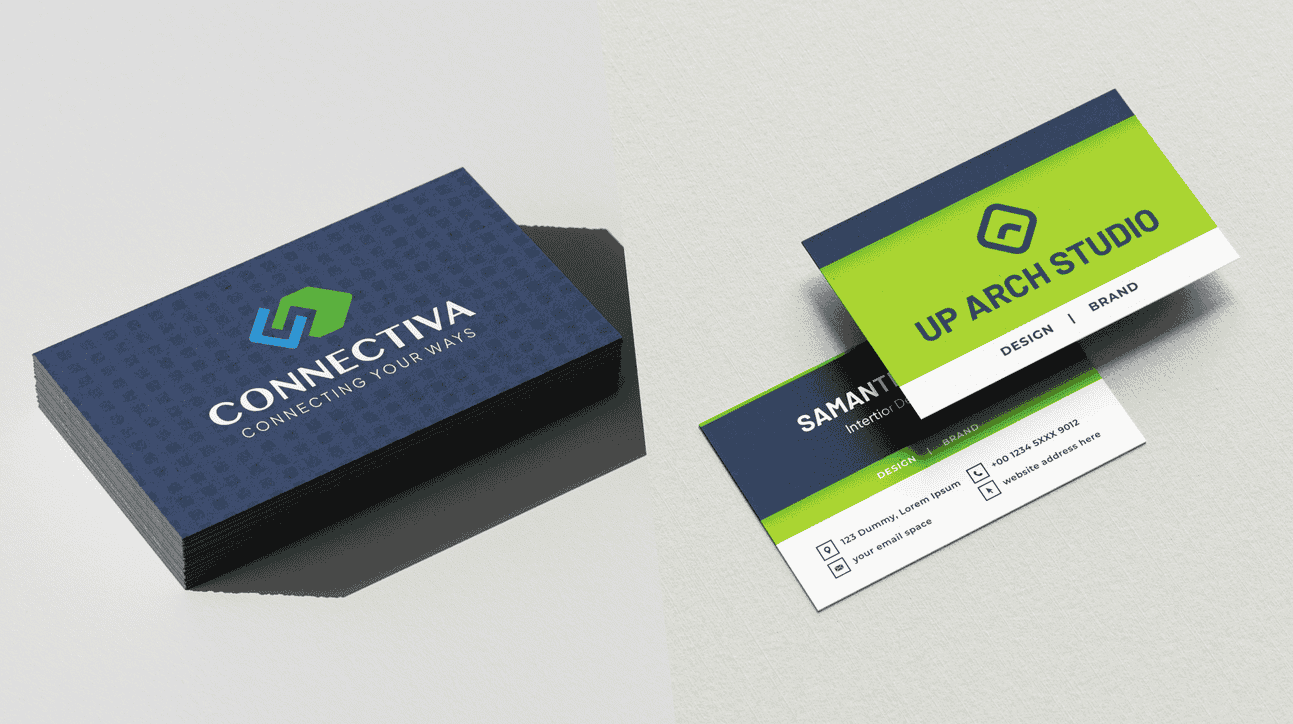
A well-designed card may be small, but it carries real weight. It can close a conversation gracefully, support a first impression, and encourage follow-up. Yet many people use “business card” and “name card” interchangeably, even though each one serves a different role. The right choice depends on how you want to be remembered and whether you are representing yourself or a company. Once that is clear, decisions around layout, paper, finishing, and print quality become easier.
Name Card Or Business Card? How To Choose The Right Fit
1. Begin with what each card is meant to communicate.
1. Name card: A name card is centred on the individual. It usually includes your name, title or speciality, mobile number, email address, and one digital link such as a portfolio, booking page, or LinkedIn profile.
2. Business card: A business card has a broader role. It introduces the person while also reinforcing the organisation behind them through a logo, brand colours, website, address, QR code, or short positioning line.
3. Core difference: A name card says, “Here is how to reach me.” A business card says, “Here is who I represent, and here is how to connect with us.”
2. Consider the purpose of the exchange.
1. Personal introductions: A name card works beautifully for independent professionals, tutors, consultants, photographers, designers, trainers, and creatives who want the focus to remain on their expertise.
2. Professional representation: A business card is better suited to client meetings, sales discussions, corporate events, trade shows, and supplier introductions where brand recognition matters.
3. Flexible use: Founders, agents, and consultants may benefit from both formats. One feels more personal; the other presents a formal identity.
3. Look closely at the design direction.
1. For name cards: The design often feels cleaner and more understated. Generous spacing, refined typography, and limited details can make the card look confident rather than crowded.
2. For business cards: There is more room to express visual identity. Brand colours, icons, patterns, textures, foil, raised effects, or a strong reverse-side design can help the card stand out.
3. Best practice: Keep the main details easy to scan. A card should not behave like a flyer. The goal is to create interest and make contact effortless.
4. Choose the right information.
1. Name card essentials: Include your full name, professional role, phone number, email address, and one relevant link. Avoid adding every platform you use unless each one serves a clear purpose.
2. Business card essentials: Include the company logo, recipient-friendly contact details, website, address where useful, and a concise description of what the organisation offers.
3. Final check: Review every digit, spelling, link, and QR code before approval. Even a polished design loses impact quickly if details are outdated or incorrect.
5. Match the format to your audience.
1. Corporate environments: A business card usually feels more appropriate because it builds trust and gives the recipient a direct path back to the organisation.
2. Creative or personal services: A name card can feel warmer and more memorable when your individual style, personality, or portfolio plays a major part in the decision.
3. Public-facing promotions: At pop-ups, receptions, exhibitions, and counters, clarity comes first. People should understand who you are, what you offer, and how to contact you almost instantly.
6. Pay attention to material and finish.
1. Paper quality: A thicker stock creates a more substantial feel and is less likely to bend, crease, or disappear into a pile of flimsy handouts. It works well for both name cards and business cards, as it gives the card a sturdier and more considered feel.
2. Surface finish: Matte feels elegant and modern, making it a strong choice for name cards where the focus is on clear personal details and a refined look. Gloss can add brightness and energy, so it often suits business cards that use bold brand colours or product imagery. Lamination offers extra protection and gives business cards a more durable finish, especially when they are handed out often at meetings, events, or counters.
3. Premium details: Rounded corners can suit both name cards and business cards when you want a softer, more distinctive look. Metallic accents, embossing, or raised textures are especially effective for business cards that need to reflect a premium brand identity, while simpler detailing works better for name cards that should feel personal, clean, and easy to read. The finish should support the brand personality, not overwhelm it.
To sum it up, you must print name cards when you need a refined personal contact piece for networking, introductions, portfolio sharing, or independent professional use, and go for business cards when you need a brand-led card for staff, client meetings, sales appointments, events, or corporate communication.
The best printing shops in Singapore always provide samples, useful recommendations, and hands-on support before your design goes to print. Glory Press helps you choose the right stock, finish, size, and artwork settings for professional name cards and business cards. Also, over time, your brand may require new cards, campaign materials, event displays, or color booklets , and partnering with us ensures each update stays streamlined and consistent with your overall identity.
Conclusion:
The difference between a business card and a name card is not about size alone. It is about intention. A name card places the spotlight on you as an individual, while a business card connects your introduction to a wider brand story. When the format, wording, paper, and finish work together, the result feels polished, professional, and purposeful.
Whether it is name card printing for personal connections or business card printing for a growing team, Glory Press brings a refined finish to every card. Contact us for prints that make strong first impressions.